Keynote speaker · Author of Coherence

When everyone can go fast, coherence is what wins.

Agentic AI made execution cheap, and the fastest-executing teams no longer win by default. Dr. Madhu Shashanka shows boards and executive teams what replaces speed as the durable advantage, and how to build it.

The signature keynote

Coherence: What Wins When Everyone Can Go Fast

For a decade, the fastest-executing teams won. Then agentic AI handed everyone speed at once, and overnight, execution stopped being an advantage. This talk shows leaders what replaces it: coherence, the organizational architecture that makes AI autonomy effective and trustworthy at scale. Equal parts provocation and playbook, it ends with one uncomfortable question for their own organization, and a tool to answer it.

  • Where your real AI advantage now lives, and where it has quietly disappeared
  • The hidden-cost lens: why the price of autonomy is coordination, not compute
  • The Reliability-Complexity Matrix: what to automate, what to augment, what to keep human
  • A diagnostic question to bring to your team, and three concrete first moves

Formats

Keynote45–60 min for conferences, offsites, and all-hands
Executive workshopHalf-day working session with your leadership team
Board sessionFocused briefing on AI oversight and coherence risk

Built for
Boards · Executive offsites
CIO / CXO & AI-strategy summits
Leadership conferences

On stage

Recent stages

Keynotes and firesides with enterprise and technology leaders.
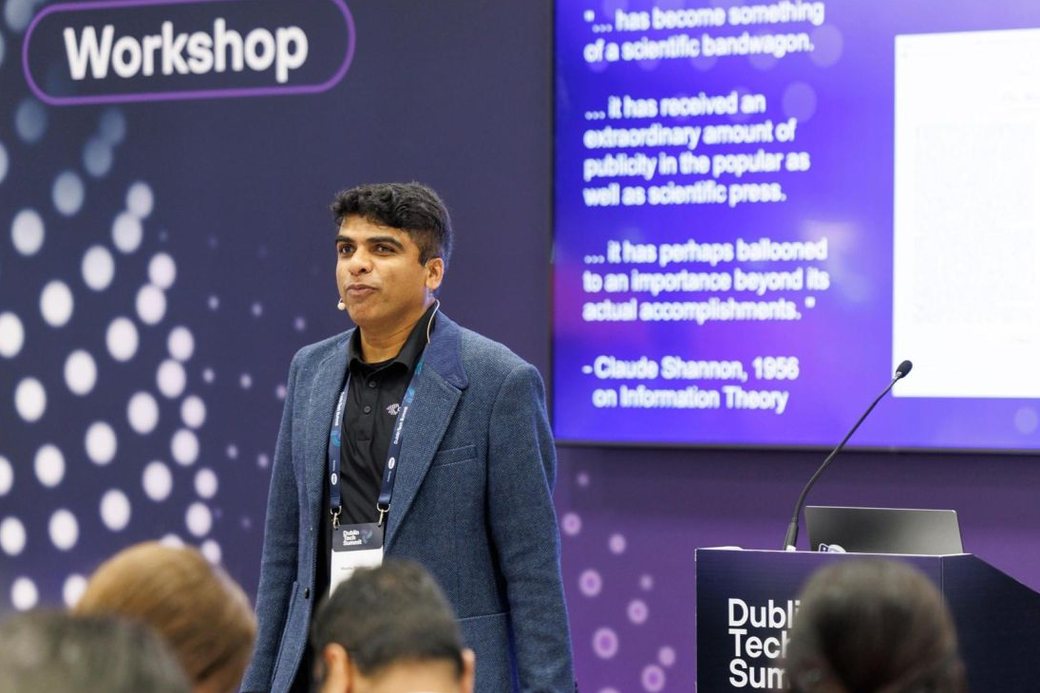
Dublin Tech Summit · Fireside · Highlights
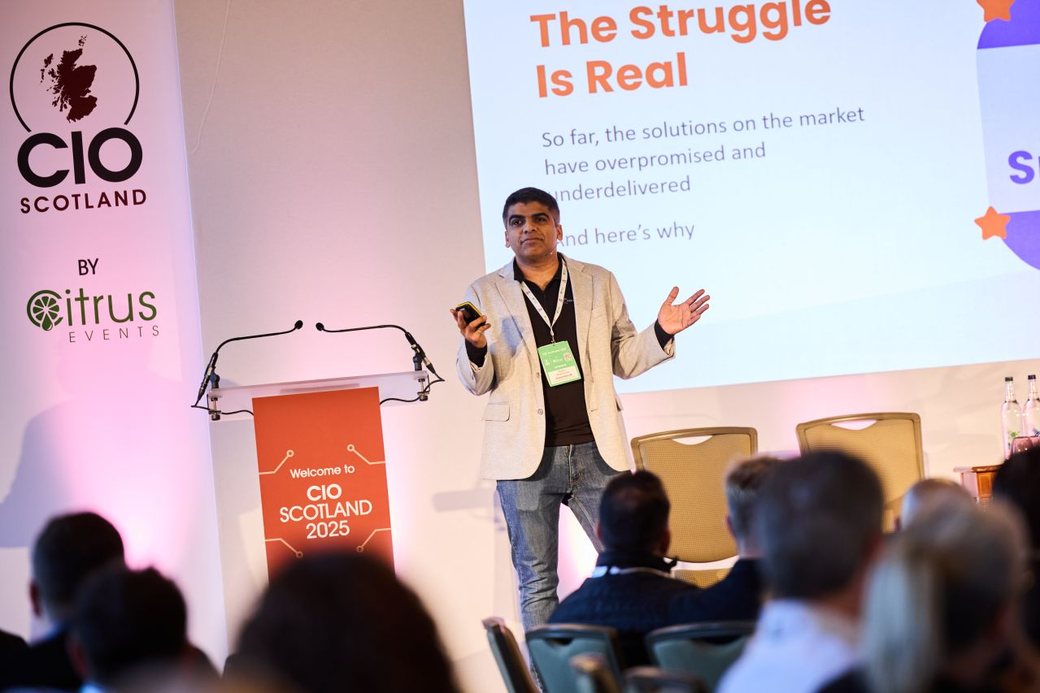
Speaking at CIO Scotland
CIO Scotland · Opening Keynote
Speaking at Dublin Tech Summit
Dublin Tech Summit
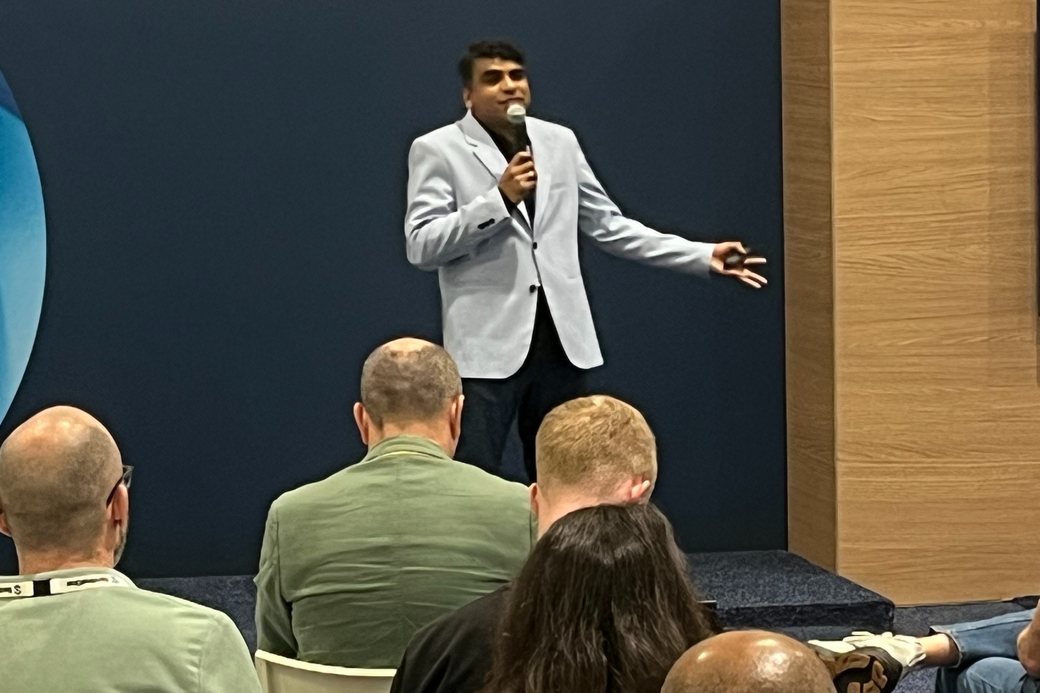
Speaking to the room at Gartner Risk Summit
Gartner Risk Summit
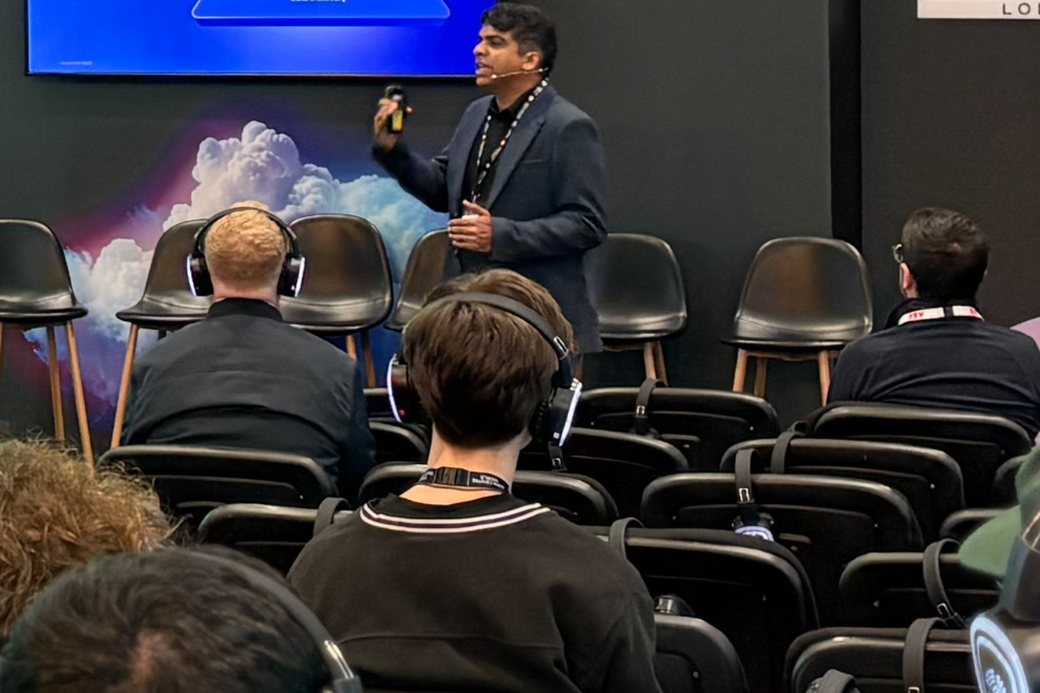
Speaking at Tech Show London
Tech Show London
Madhu was a valued speaker at this year's Dublin Tech Summit, bringing deep expertise in AI and enterprise technology to our programme. We would be honoured to welcome him back.
Brian Kearns Partnerships Director, Catalyst Media Dublin Tech Summit 2026
An exceptional speech on AI's past, present and future that was eye-opening, interactive and inspiring. He spoke with true passion for his craft.
Will Wynter Global Commercial Manager, Citrus Events Opening keynote, CIO Scotland 2025
The final talk on the main stage at Dublin Tech Summit 2026... a fascinating session, and a fitting grand finale to an amazing event.
Oisin Lunny Main stage MC Closing session, Dublin Tech Summit 2026

From the book

Four ideas that reframe the AI conversation

The arguments executives take back to the room. The through-line of every talk, essay, and workshop.

The Coasian Inversion

Why the firm's job just flipped

For a century, organizations existed to allocate scarce execution. Now that execution is nearly free, the job inverts: maintaining coherence among abundant autonomous systems. The old structures are quietly failing at it.

Complexity Debt

The cost no dashboard reports

Every autonomous system adds coordination cost that compounds invisibly. Like technical debt, before it had a name, but accumulating faster, because deploying AI now takes almost no effort at all.

Coherence, not capability

The only moat left

When every competitor can buy the same models and the same data, none of it confers advantage. The durable edge belongs to the organization that has made itself coherent, the one thing a vendor cannot sell.

A public good

Correlated Fragility

Coherence is the link between what your systems do and what you intend. Your intent stays yours. The reasoning that turns it into decisions does not, once every rival runs the same models. Shared reasoning carries shared blind spots, so each firm can be right on its own terms while all of them fail together. That was 2008.

The argument, in one essay Intelligence Is Becoming Cheap. Coherence Is Not. Why capability stopped being the advantage, the cost that never shows up on a dashboard, and the one question about your own organization you probably cannot answer yet. Read the essay ↗ New to the ideas? Start with what organizational coherence means.
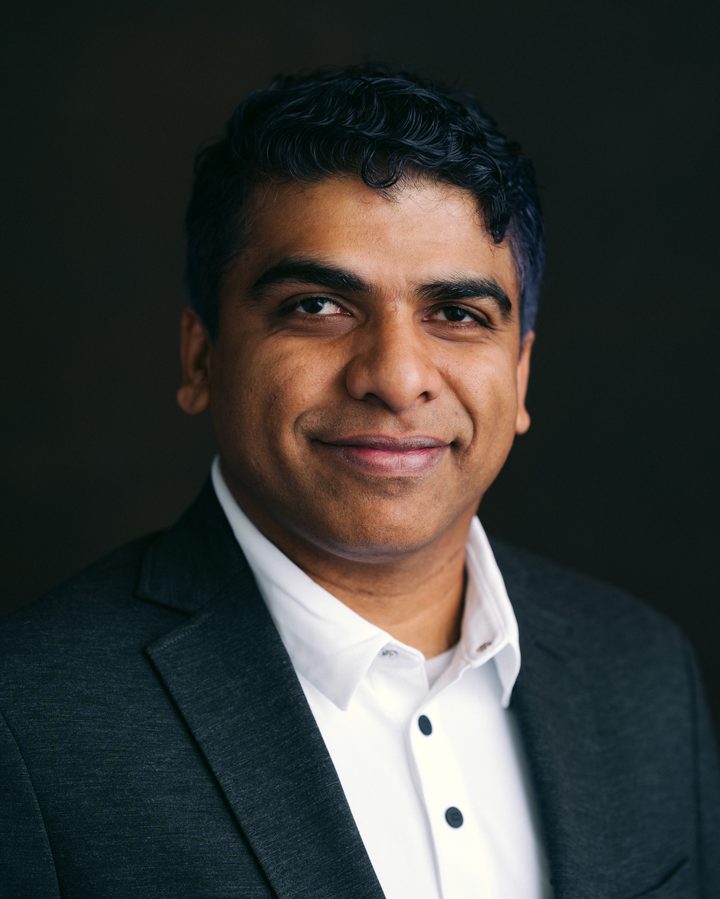
Dr. Madhu Shashanka

About

Dr. Madhu Shashanka

He studies how large numbers of independent units become coherent, first in the brain, now in the enterprise.

Madhu earned his PhD in computational neuroscience studying how the brain coordinates vast numbers of independent units into coherent behavior, then spent two decades applying that lens to organizations, building and deploying enterprise AI across manufacturing, financial services, social media, and cybersecurity.

His book Coherence: The Competitive Advantage AI Can't Buy brings the two halves of that career together: what the science of coordinated systems reveals about competing in the age of abundant intelligence.

Coherise takes its name from a verb he coined: to coherise is to make a growing crowd of autonomous systems, and the people accountable for them, pull in the same direction. It is the work his book argues will decide which enterprises win.

PhD, Computational Neuroscience IEEE Senior Member, former Associate Editor 40 peer-reviewed publications, 14 granted patents Former Director, Data Science & Machine Learning, Charles Schwab Cofounder, Chief Scientist & CTO, Concentric AI AI strategy for CIO / CISO communities, Fortune 500
Madhu's doctoral work explored how the brain separates overlapping sources from a single audio recording. The enterprise version is harder: the sources are autonomous systems, they act simultaneously, and no one has the recording. He tackles these challenges with a rigor rarely found in management books.
Barbara Shinn-Cunningham Glen de Vries Dean, Mellon College of Science, Carnegie Mellon University

Endorsements

Readers on Coherence

This is the clearest framework I've seen for a problem most organizations don't yet know they have.
Moez Hassan Chief Data Officer, Royal Caribbean Group
He has taken a hard-won lesson from systems engineering and shown it is now an organizational law.
Shireesh Thota Corporate Vice President, Microsoft
AI does not fix a messy organization, it magnifies it. Point powerful agents at an incoherent enterprise and you scale the incoherence.
Lakshman Kannan Partner, PwC
Madhu makes the compelling case that the harder challenge is building smarter organizations.
Prof. Kartik Hosanagar The Wharton School; Author, A Human's Guide to Machine Intelligence

Alongside a wider group of enterprise and technology leaders:

and more. Read what they said ↗

The book · Forthcoming Fall 2026

Coherence: The Competitive Advantage AI Can't Buy

A theory of how enterprises compete when AI makes execution abundant. Rigorous enough to change a deployment decision, specific enough to act on a Monday.

Explore the book

Speaking & keynotes

Bring this to your team.

Tell me about your audience and date, and I'll come back with a tailored fit for the room.

or email [email protected] Download the one-pager (PDF) ↗